Classic Peach Cobbler Recipe with a Buttery Biscuit Topping
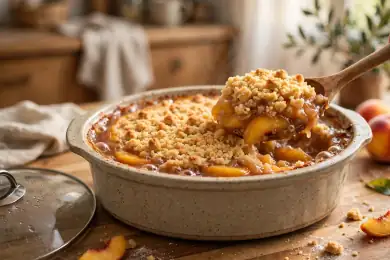
Peach cobbler with jammy fresh peaches and a buttery biscuit top. The one step that stops a gummy bottom crust is baking the filling first.
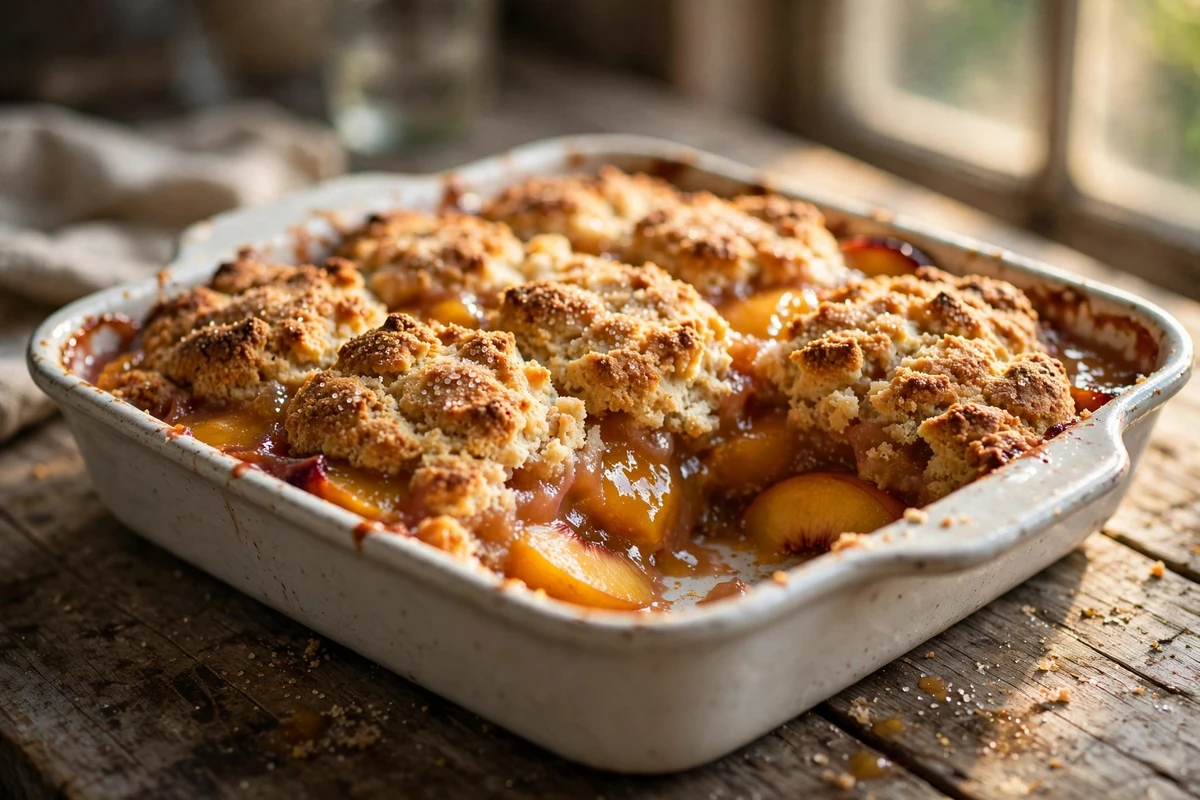
This version bakes the filling on its own before the topping ever touches it, which is the step that fixes both problems at once.
Why You'll Love This Recipe
- The filling sets into a thick, spoonable jam instead of running across the plate
- The biscuit topping bakes through underneath, no gummy raw layer where it meets the fruit
- One bowl for the fruit, one bowl for the topping, no pastry rolling and no chilling dough
- Works with fresh, frozen, or canned peaches with small adjustments, so it isn't stuck in August
Bake the filling alone for 10 minutes before the biscuit dough goes on. Here's the thing most recipes skip: raw dough dropped onto cold fruit sits in a puddle of cool liquid, so the underside steams instead of baking.
Ten minutes of pre-baking gets the juices bubbling and the starch working, so the dough hits a hot surface and sets from the bottom up. This single step is the difference between a biscuit topping and a wet dumpling.
Read Before You Start
Ripeness sets your sugar, not the recipe. Peaches at the peak of the season need noticeably less sugar than the hard ones sold in June. Taste a slice raw. If it's honey sweet, pull the granulated sugar back to 1/2 cup. If it's tart and firm, use the full 3/4 cup.
Slice thickness matters more than people expect. Half inch slices hold their shape and stay recognizable. Thin slices collapse into puree by the time the topping is baked, and you lose the texture that separates cobbler from pie filling.
Ingredient Deep Dive & Notes
Fresh peaches. Freestone varieties come away from the pit cleanly, which saves real time when you're working through ten of them. Clingstone peaches fight you. If the fruit is rock hard, leave it on the counter in a paper bag for two days first.
Cornstarch, not flour. Cornstarch sets clear and glossy and has close to twice the thickening power of flour by weight. Flour-thickened peach filling turns cloudy and tastes faintly pasty.
Lemon juice. One tablespoon. It isn't there to make the cobbler taste lemony, it's there because peaches are low acid and the flavor goes flat without it.
Cold buttermilk and cold butter. Both need to be genuinely cold. Solid butter pieces melt during baking and leave steam pockets, which is the entire reason the topping goes light instead of dense.
Alcohol-free vanilla extract. Standard vanilla extract is alcohol based, so this recipe uses the alcohol-free version by default and keeps the Halal-friendly tag honest.
Don't substitute: the butter in the topping. Margarine and oil both carry more water and less fat, and the biscuit comes out flat and slightly tough instead of flaky.
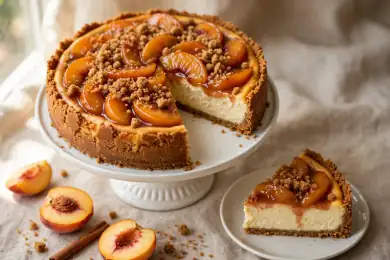
For more soft Southern desserts in this style, our Classic Banana Pudding uses a stovetop custard rather than fruit and starch, and the Banana Cream Pie shows the firmer cornstarch set you'd want if you were slicing rather than scooping. If you want a hands-off slow cooker version, see our Easy Crockpot Peach Cobbler, or try our showstopping Peach Cobbler Cheesecake for a bakery mashup.
Equipment Needed
- 9x13 inch (3 quart) baking dish, glass or ceramic
- Rimmed baking sheet to set the dish on, since the filling will bubble over the edge
- Instant read thermometer, the fastest way to confirm the biscuits are cooked through
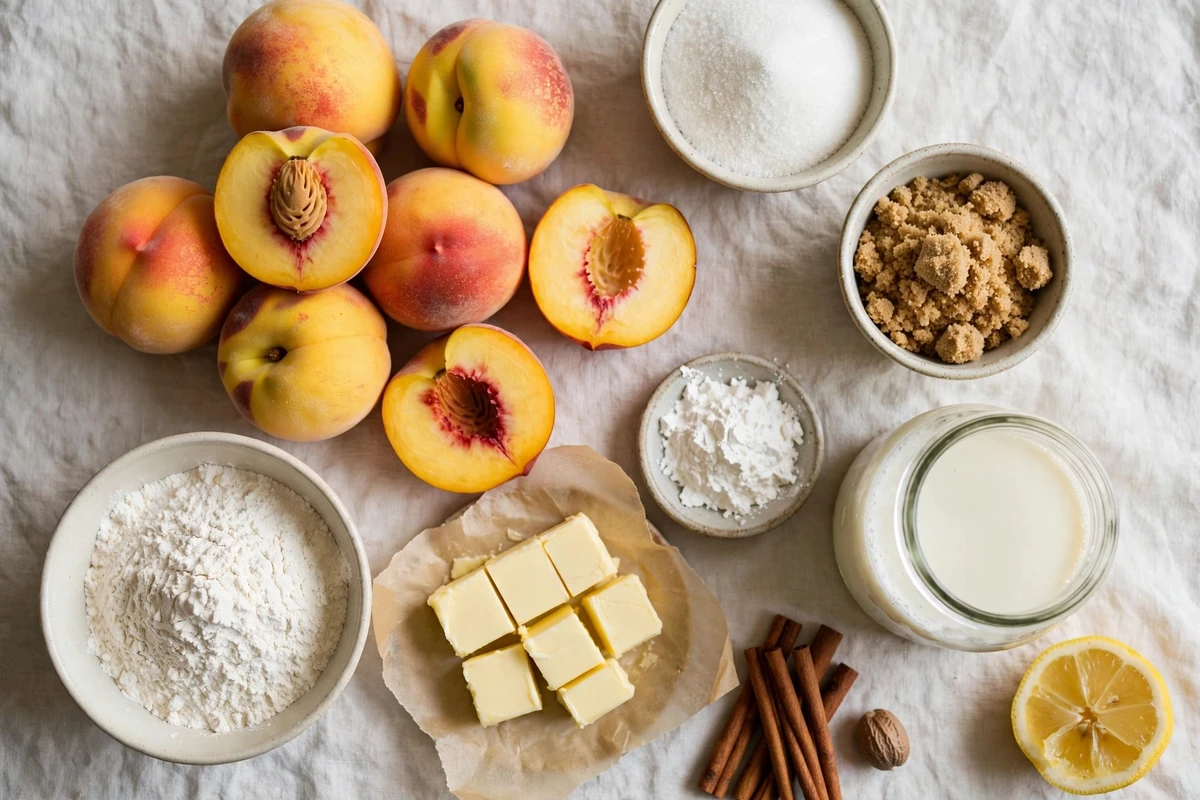
Ingredients for classic peach cobbler: fresh peaches, sugars, cornstarch, butter, flour, buttermilk, and spices
Detailed Step-by-Step Cooking Guide
Peel the peaches
Macerate the filling
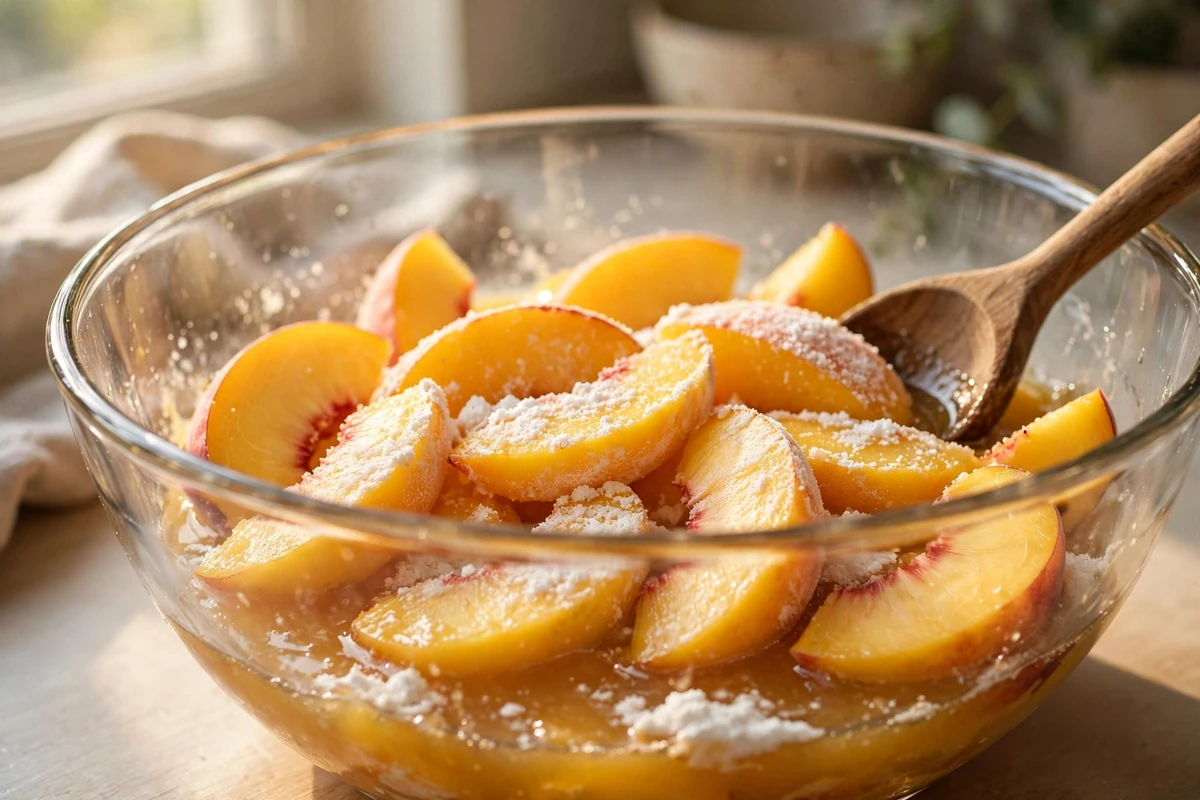
Fresh sliced peaches macerating in sugar, lemon juice, cornstarch and spices in a glass bowl
Pre-bake the filling
Mix the biscuit topping
Top and bake
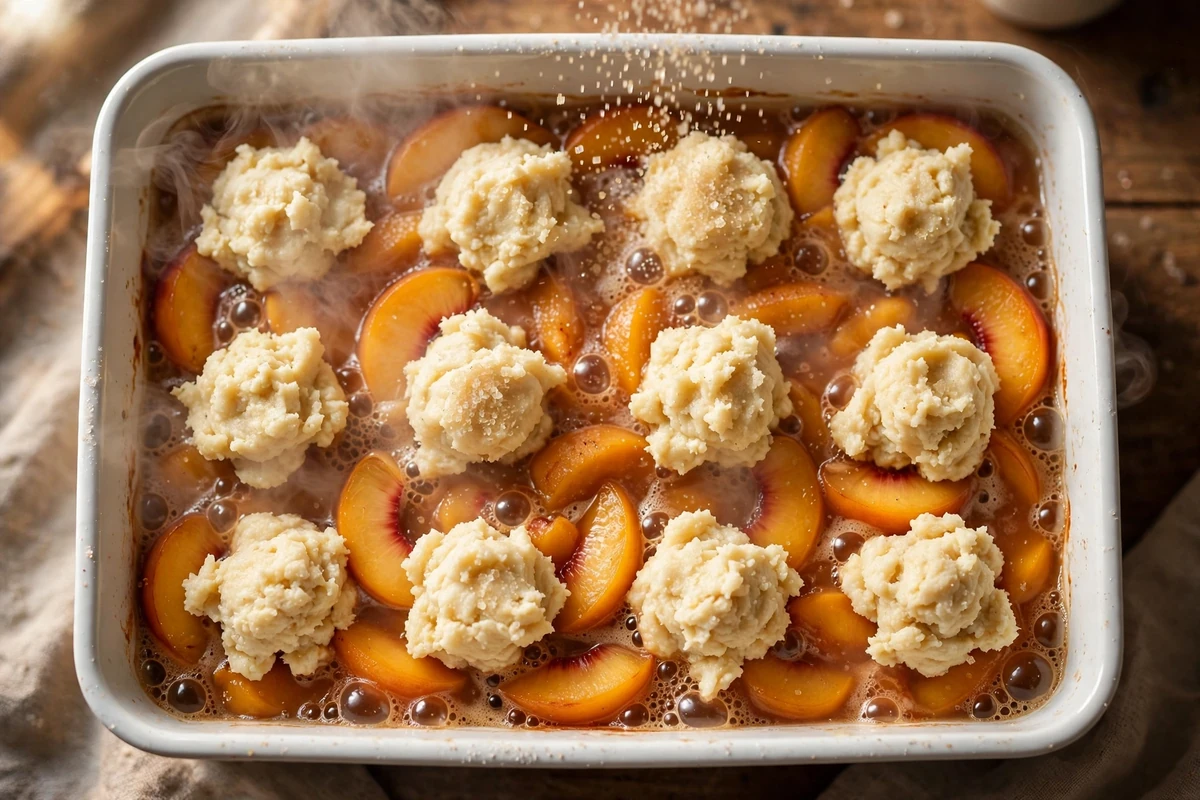
Dropping rough mounds of buttermilk biscuit dough over the bubbling hot peach filling
Check for doneness
Rest before serving
Getting the Filling and Topping Right
Troubleshooting common peach cobbler filling and biscuit issues:
Almost always one of three things: peaches unusually juicy that week, not enough cooling time, or cornstarch that never dissolved because you skipped the maceration. Very juicy fruit can take an extra tablespoon of cornstarch without tasting starchy.
The filling wasn't pre-baked, the dough was spread edge to edge with no steam gaps, or you pulled it out before the biscuit interior hit 205°F. Golden on top does not mean cooked underneath.
The butter got warm. If your kitchen is hot and the dough feels soft and greasy, put the bowl in the freezer for 10 minutes before dropping it on.
Underripe fruit and no acid. The lemon juice isn't optional, and a pinch more salt in the filling does more for peach flavor than more sugar does.
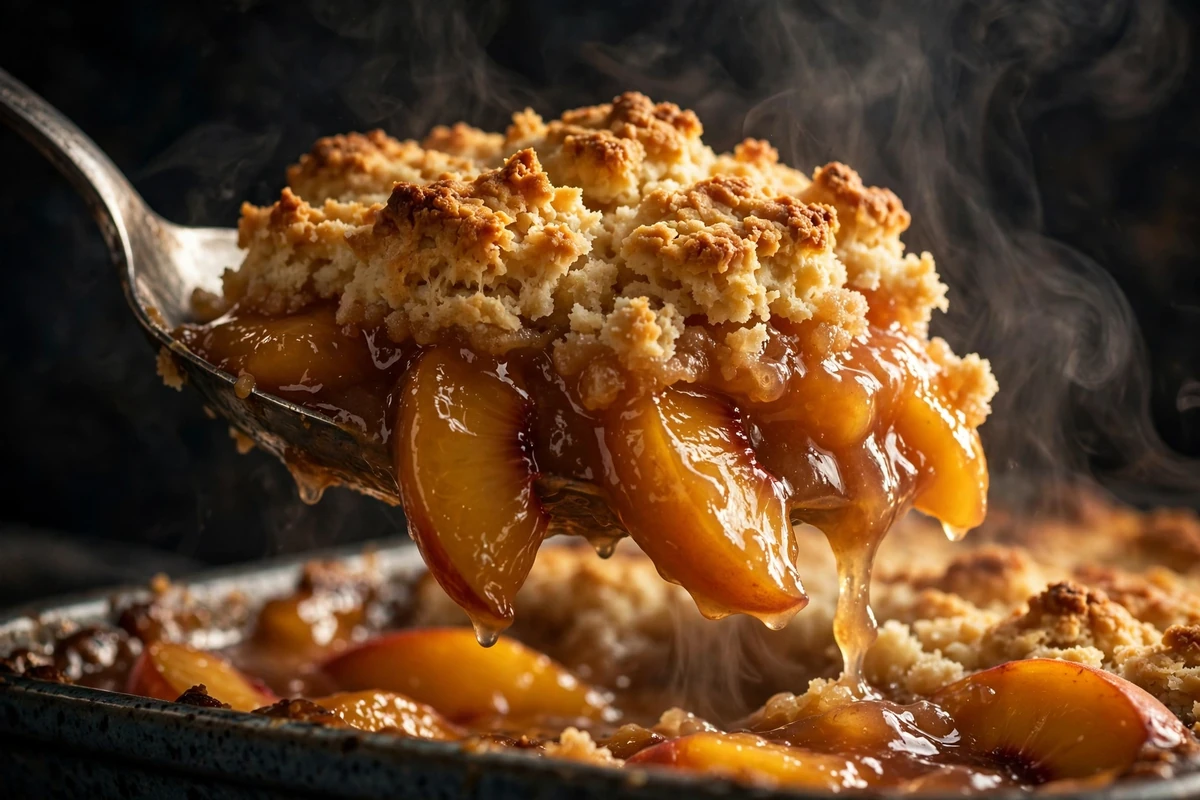
Bubbling thick peach cobbler with golden-brown crusty biscuit topping right out of the oven
What to Do With Leftover Peach Cobbler
How to Serve, Store & Reheat
Warm, in shallow bowls, with vanilla ice cream or lightly sweetened whipped cream. The temperature contrast is most of the appeal. If the cobbler has gone fully cold, 10 minutes in a 300°F oven brings it back.
Cover and refrigerate up to 4 days. Room temperature storage isn't a good idea past a couple of hours: this is a wet, sugary, dairy-containing dish and it belongs in the fridge.
Individual portions: 30 to 45 seconds in the microwave, which softens the biscuit. Whole dish: covered with foil at 325°F for 20 minutes, then uncovered for 5 to crisp the top back up. The oven method is clearly better if you have the time.
Yes. Bake it fully, cool completely, wrap the dish in plastic and then foil, and freeze up to 3 months. Thaw overnight in the fridge and reheat covered at 325°F for 30 minutes. The topping softens slightly but the filling comes back almost exactly as it was.
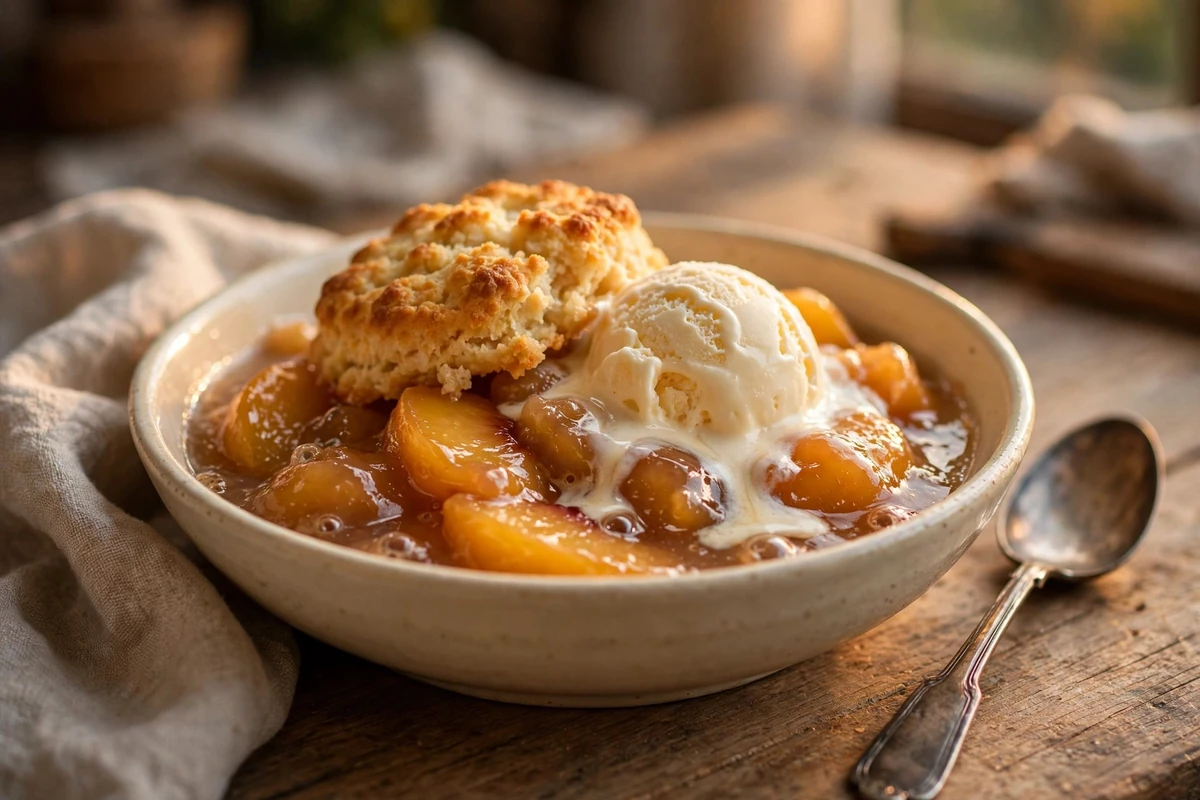
A generous warm scoop of peach cobbler served in a bowl topped with melting vanilla ice cream
Dietary Variations
Swap the flour for a cup-for-cup gluten free baking blend that already contains xanthan gum. The dough will be softer and needs about 5 extra minutes of baking.
Use a firm block-style vegan butter, kept very cold, and make a buttermilk substitute with 3/4 cup unsweetened almond milk plus 2 teaspoons lemon juice, rested 5 minutes.
Cut the filling sugar to 1/2 cup and skip the turbinado on top. Only do this with genuinely ripe peaches, because sugar is also holding the filling texture together.
If you're scaling this up for a crowd, don't go deeper, go wider. Doubling the filling in the same dish means the center takes far longer to reach the temperature cornstarch needs to set, and the topping browns long before that happens.
Two 9x13 dishes side by side bake in the same time as one. A single deep dish does not.
Allergen Notice: This recipe contains wheat (gluten) and dairy (milk). For wheat, a cup-for-cup gluten free blend with xanthan gum works in the topping. For dairy, cold block-style vegan butter and the almond milk buttermilk substitute above both work.
Frequently Asked Questions
Recipe Visual Gallery (6 Full Photos)
Recipe Card & Steps
Ingredients Checklist
Click an item to check it off as you prep
- 3 1/2 lb (1.6 kg)fresh ripe peaches, peeled and cut into 1/2 inch slices (about 8 cups)
- 3/4 cup (150 g)granulated sugar (reduced to 1/2 cup for very sweet peaches)
- 2 tbsp (25 g)light brown sugar, packed
- 3 tbsp (24 g)cornstarch
- 1 tbspfresh lemon juice
- 1/2 tspground cinnamon
- 1/8 tspfreshly grated nutmeg
- 1/4 tspfine salt
- 1 tspalcohol-free vanilla extract
- 1 1/2 cups (190 g)all-purpose flour
- 1/4 cup (50 g)granulated sugar (for topping)
- 1 1/2 tspbaking powder
- 1/2 tspbaking soda
- 1/2 tspfine salt (for topping)
- 6 tbsp (85 g)cold unsalted butter, cut into cubes
- 3/4 cup (180 ml)cold buttermilk
- 2 tbspturbinado or coarse raw sugar, for sprinkling
Step-by-Step Instructions
Follow along and mark each step complete as you cook
Score an X in the bottom of each peach, boil 30 to 45 seconds, then transfer to ice water and slip off the skins. Cut into 1/2 inch slices.
Toss the peach slices with the granulated sugar, brown sugar, cornstarch, lemon juice, cinnamon, nutmeg, salt, and vanilla. Let stand 15 minutes. Meanwhile heat the oven to 375°F (190°C).
Spread the filling evenly in a 9x13 inch baking dish. Set the dish on a rimmed baking sheet and bake 10 minutes, until the juices bubble at the edges.
While the filling bakes, whisk the flour, granulated sugar, baking powder, baking soda, and salt in a bowl. Cut in the cold butter until the largest pieces are pea sized and the mixture looks shaggy.
Add the cold buttermilk and stir with a fork just until no dry flour remains. Do not overmix. The dough will be sticky and lumpy.
Drop the dough in 10 to 12 rough mounds over the hot filling, leaving gaps between them. Sprinkle with the turbinado sugar.
Bake 38 to 45 minutes, until the topping is deep golden, the filling bubbles thickly in the center of the dish, and a thermometer in the thickest biscuit reads 205°F to 210°F (96°C to 99°C).
Cool on a rack for 25 minutes before serving, so the filling can set.
Recipe Card Notes & Tips
- Canned peaches: use 3 cans (29 oz each) packed in juice, drained well, and reduce the cornstarch to 2 tablespoons.
- Frozen peaches: use 8 cups, thawed and drained, and add 1 extra tablespoon of cornstarch.
- Very juicy fruit can take an extra tablespoon of cornstarch without tasting starchy.
- If the topping browns before the biscuits are cooked through, tent loosely with foil and keep baking.
- To double, use two separate 9x13 dishes rather than one deeper pan.
Ratings & Reviews
Leave a Review
Made this recipe? Share your thoughts, tweaks, and honest rating with other home cooks!
Community Reviews (0)
You Might Also Enjoy
More delicious recipes in Desserts.
Classic Butter Cookies Recipe
Easy Crockpot Peach Cobbler Recipe